Natural Food Flavorings Benefits and Trends You Should Know?
The growing demand for natural food flavorings reflects a significant trend in consumer preferences. According to a recent market analysis by Grand View Research, the global natural food flavorings market is projected to reach $20 billion by 2025. This shift is driven by an increasing awareness of health and wellness among consumers. They are seeking products free from artificial additives and harmful chemicals.
Natural food flavorings offer numerous benefits. They not only enhance the taste of food but also contribute to improved health by providing essential nutrients. For instance, spices like turmeric and ginger are known for their anti-inflammatory properties. However, sourcing high-quality natural flavorings remains a challenge. Many companies struggle with inconsistent supply and quality, leading to concerns about authenticity.
Additionally, while the market is expanding, there is room for improvement in educating consumers. Many still misunderstand the differences between natural and synthetic flavorings. This gap highlights the need for companies to communicate more effectively about their sourcing and production practices. Overall, the future of natural food flavorings looks promising, but continuous effort is essential for maintaining quality and trust in this evolving market.
Understanding Natural Food Flavorings: An Overview
Natural food flavorings are becoming increasingly important in the food industry. As consumers lean towards healthier options, these flavorings provide a natural alternative to synthetic additives. In recent reports, the market for natural flavorings is projected to reach $6.4 billion by 2026, reflecting a growing preference for clean-label products. This trend highlights the need for transparency in food labeling.
The appeal of natural flavorings lies in their perceived health benefits. Ingredients sourced from fruits, vegetables, and spices contribute to a more wholesome profile. Studies indicate that 73% of consumers are willing to pay more for products containing natural flavors. This shift aligns with a broader movement towards sustainability and wellness in dietary choices. However, challenges remain in standardizing these natural products.
Quality and consistency are often cited as areas needing improvement. Not all sources provide the same flavor intensity or longevity. A deeper understanding of the extraction and blending processes is essential for manufacturers. Moreover, as demand increases, so does the necessity for responsible sourcing to ensure that natural flavorings do not compromise biodiversity. Balancing these factors will be key for the future of natural flavorings.
Key Benefits of Using Natural Food Flavorings
Natural food flavorings have gained tremendous popularity in recent years. What sets them apart is their ability to deliver authentic tastes while maintaining a clean label. According to a 2022 report by the Flavor and Extract Manufacturers Association, over 85% of consumers are now looking for food products with natural flavorings. These natural options offer a safer alternative to synthetic flavors, which can pose health risks.
One of the key benefits of using natural flavorings is their contribution to overall health. Natural flavorings often come from fruits, vegetables, and herbs. They are less likely to contain allergens or harmful chemicals. Moreover, research indicates that these flavorings can enhance the sensory experience without compromising nutritional value. In a survey conducted by Innova Market Insights, 63% of consumers stated they prefer foods that are both flavorful and nutritious, showcasing a clear demand for natural flavors.
However, the transition to using natural flavorings can present challenges. Sourcing high-quality ingredients can be costly and time-consuming. Natural flavorings can vary in potency, necessitating careful formulation to achieve the desired flavor profile. This variability may require additional research and development to ensure product consistency. As the industry evolves, addressing these challenges is crucial for manufacturers keen on meeting consumer expectations.
Emerging Trends in the Natural Flavorings Market
The natural flavorings market is undergoing significant changes as consumer preferences evolve. A recent report by the Research Institute of Flavor and Fragrance suggests the market for natural food flavorings is expected to reach $12.4 billion by 2026, growing at a compound annual growth rate (CAGR) of 8%. This growth reflects a heightened awareness of health and wellness among consumers. Many people are turning to natural flavorings as they seek cleaner labels and more transparency in their food sources.
One emerging trend is the growing demand for plant-based flavorings. According to industry analysts, approximately 65% of consumers are interested in products that use flavors derived from vegetables and fruits. This shift towards plant-based options signifies a broader movement towards sustainability and health. However, while the popularity of these flavorings increases, challenges arise. The sourcing of high-quality natural ingredients can be inconsistent, and the costs may be higher compared to synthetic alternatives.
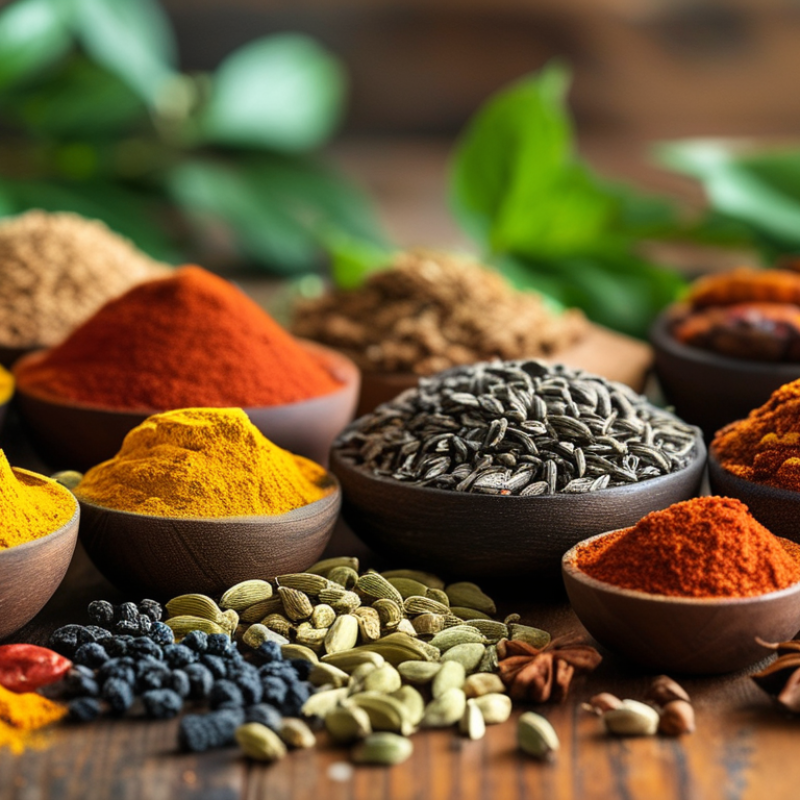
There is also an ongoing exploration of novel flavors and exotic ingredients. The trend shows a notable interest in flavors like hibiscus, turmeric, and cardamom. These unique options provide opportunities for manufacturers to differentiate their products. Still, the complexity of consumer preferences can lead to uncertainty for brands as they try to capture attention without veering too far from mainstream taste profiles. Addressing these challenges requires a balance between innovation and understanding market demands.
Natural Food Flavorings Benefits and Trends You Should Know - Emerging Trends in the Natural Flavorings Market
| Flavor Type |
Key Benefits |
Current Trend |
Market Growth Rate |
| Vanilla |
Natural aromatic properties, versatile in applications |
Clean Label Practices |
5% CAGR |
| Citrus |
Refreshing taste, boosts appetite |
Health-Conscious Products |
6% CAGR |
| Mint |
Digestive aid, cooling effect |
Emphasis on Functional Beverages |
4% CAGR |
| Spices (e.g., cinnamon, ginger) |
Antioxidant properties, adds warmth |
Rise of Exotic Flavors |
7% CAGR |
| Herbs (e.g., rosemary, basil) |
Natural preservative properties, enhances flavor |
Farm-to-Table Movement |
5% CAGR |
Comparing Natural vs. Synthetic Flavorings
Natural food flavorings offer a range of advantages over their synthetic counterparts. According to a report by Grand View Research, the natural flavoring market is projected to grow significantly, fueled by rising consumer demand for clean-label products. Natural flavorings are derived from plant and animal sources, ensuring that they align with consumer preferences for transparency and health.
In contrast, synthetic flavorings are created through chemical processes. While they may be cost-effective, concerns about their long-term health effects persist. A study published in 'Food Quality and Preference' indicates that consumers are increasingly aware of the potential risks associated with artificial additives. Many prefer natural options, believing them to be safer and more wholesome.
However, it's important to critically assess both types of flavorings. Natural flavorings may sometimes lack consistency in taste due to variations in raw materials. Additionally, they can be more expensive, which raises questions about accessibility for some consumers. As trends evolve, balancing flavor quality, health, and affordability will remain essential in the ongoing debate between natural and synthetic flavorings.
Future Outlook: Innovations in Natural Food Flavorings
The natural food flavoring market is evolving rapidly. Innovations in flavor extraction, such as cold pressing and supercritical CO2 extraction, are leading the way. According to a recent market report, preferences for natural flavors have increased by 33% in the last five years. This trend is shaped by heightened consumer awareness of health and nutrition.
Advancements in technology allow for more complex flavor profiles. Novel ingredients are emerging, offering unique combinations for various cuisines. For instance, natural flavors derived from spices and herbs can enhance not only taste but also nutritional value. Recent studies indicate that up to 65% of consumers consider natural flavors essential for clean labeling.
However, challenges remain. The sourcing of these natural ingredients can create supply chain issues. In some regions, climate change impacts the availability of key raw materials. This raises questions about sustainability and the long-term viability of current trends. Companies must continuously adapt to maintain quality and customer satisfaction, ensuring that innovations align with ethical practices and environmental responsibility.