What Are the Best Food Flavor Extracts for Baking and Cooking
In the world of culinary arts, food flavor extracts play a crucial role. They enhance both baking and cooking with rich tastes. Chef Linda Green, a renowned expert in flavor pairing, once said, "The right extract can transform an ordinary dish into an extraordinary experience." This highlights the importance of choosing quality extracts.
Many home cooks are discovering the power of food flavor extracts. These concentrated liquids offer a burst of flavor with just a few drops. Imagine the difference between using real vanilla extract versus synthetic flavors. The former provides depth, while the latter can be flat. Yet, not all extracts are created equal; some can indeed disappoint.
Exploring the best food flavor extracts involves more than just taste. It requires understanding their unique characteristics. Some extracts are potent, while others are subtle. They can also vary in quality. This makes the selection process challenging. However, the right choices can elevate your culinary creations, making each dish memorable.
The Essence of Flavor Extracts: Definition and Importance in Culinary Arts
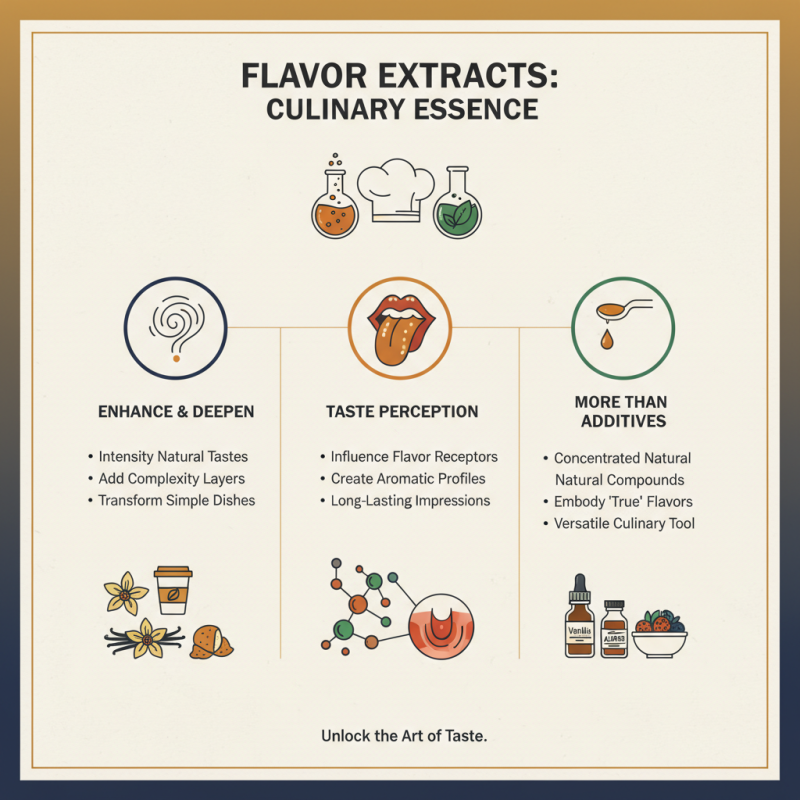
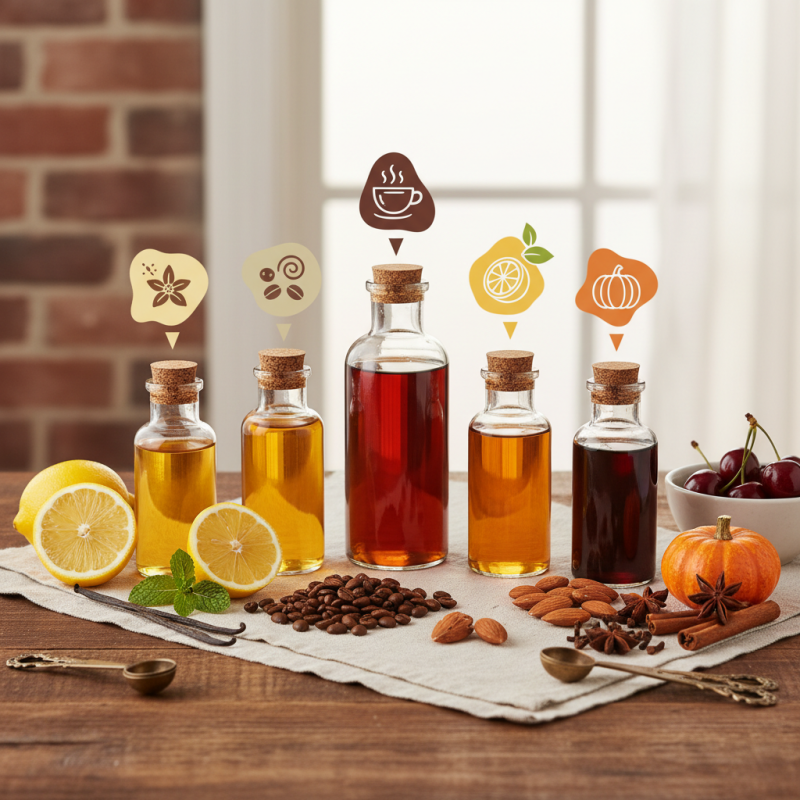
Flavor extracts play a significant role in culinary arts. They enhance dishes, providing depth and complexity. Various studies reveal that flavor compounds can influence taste perception. Extracts are more than just additives; they embody the essence of flavors.
The importance of flavor extracts lies in their ability to transform ordinary recipes. For example, a few drops of vanilla extract can elevate a basic cake. Lemon extract can brighten up savory dishes, making them more appealing. According to industry reports, over 30% of consumers prefer baked goods with pronounced flavors, highlighting the necessity of quality extracts.
Tips: When using extracts, start small. Too much can overwhelm the dish. Always choose extracts that are natural rather than synthetic for better taste. Also, consider blending different extracts. Mixing almond and vanilla can create a unique flavor profile.
Flavor extracts, however, are not without their pitfalls. The potency varies greatly among brands. Some extractors may use additives that dilute the flavor. This inconsistency can frustrate cooks aiming for perfection. Also, keep in mind that flavor extracts have a shelf life. Expired products may lose their intensity, impacting your culinary creations.
Top Flavor Extracts for Baking: Performance and Popularity Statistics
When it comes to baking and cooking, flavor extracts are often game-changers. According to recent market analyses, vanilla and almond extracts account for over 60% of the global flavor extract market. These statistics highlight their popularity among both home cooks and professional chefs.
Beyond vanilla, other extracts like peppermint and lemon are emerging favorites, reflecting consumer trends toward more adventurous flavors.
Tips: Start by experimenting with smaller quantities. A little can go a long way. For instance, one teaspoon of peppermint extract can dramatically change a recipe. Track the amount used for adjustments later.
Consumer preferences shift based on seasonal trends. Reports show that pumpkin spice has gained traction during fall, boosting its sales dramatically. Yet, the challenge lies in balancing these seasonal favorites with classic extracts. Some bakers find that using too many flavors can overwhelm a dish.
Striking a balance is crucial. Don't rush the process; reflecting on flavor combinations can lead to delightful results.
Essential Extracts for Cooking: Versatility and Culinary Applications
Extracts play a crucial role in enhancing the flavor profiles of various dishes. They are versatile and can be used in baking, cooking, and even beverages. Vanilla extract is a popular choice. It brings warmth and depth to desserts like cakes and cookies. A few drops can transform a simple recipe into something memorable.
Another essential extract is almond. It has a unique, nutty flavor. You can use it in both sweet and savory dishes. For example, a dash of almond extract can elevate a fruit salad. It's surprising how a small amount can make a big difference. Citrus extracts, such as lemon and orange, add brightness to marinades and dressings. They can refresh a heavy dish and balance flavors perfectly.
However, it’s easy to misuse these extracts. Too much can overpower a dish, leading to regret. Finding the right balance is essential. Experimenting with different extracts may lead to unexpected results. Not all combinations work, but that’s part of the cooking journey. Keep tasting and adjusting. Ultimately, the goal is to create harmonious flavors that resonate with everyone.
Essential Flavor Extracts for Cooking
Analyzing Flavor Profiles: How Extracts Affect Taste and Aroma
When choosing flavor extracts, it is crucial to understand how they influence taste and aroma. Flavor profiles can enhance baked goods and savory dishes alike. Studies show that vanilla extract is most popular, featuring rich, sweet notes that pair well with various ingredients. Almond extract, with its nutty aroma, can add depth to cookies and cakes. Citrus extracts, such as lemon or orange, provide a bright, refreshing kick that elevates both sweet and savory recipes.
When utilizing extracts, measuring accurately is key. Too much can overwhelm a dish, while too little may leave it bland. Tips for balance include starting with half the suggested amount. You can always add more, but removing excess is challenging. For complex flavors, consider combining extracts. For instance, blending vanilla and almond can yield a warm, inviting aroma.
Creativity matters, too. Experiment with unexpected combinations. What about using peppermint extract in chocolate cake? Or adding a touch of coconut extract to a fruit salad? These flavorful decisions can lead to delightful discoveries. Remember, not every experiment will be a success, but each attempt provides valuable learning opportunities. Using extracts effectively can significantly elevate home cooking and baking.
Market Trends: Consumer Preferences for Flavor Extracts in 2023
In 2023, consumer preferences for flavor extracts have shifted significantly. A recent report highlighted that 65% of consumers now prefer natural flavoring over artificial options. Health-conscious choices appear to drive this trend. More people are scrutinizing labels, seeking transparency in food ingredients. This reflects a broader push for wellness in dietary habits.
Many bakers are exploring unique flavors, such as cardamom and matcha, which have seen a 25% increase in demand. More adventurous palates are favoring these distinctive extracts. Using flavor extracts like vanilla or almond has become a staple for enhancing desserts. However, it’s important to choose extracts that complement each other well in recipes.
Tips: Don’t overlook the power of small quantities. Just a few drops can transform a dish. Experimenting with combinations can yield surprising results. Remember, balance is key—too much flavor can overpower the final product. Some may find trial and error necessary. Flavor extracts require careful measurement and experimentation to achieve the perfect taste. Embrace the process of discovery!
What Are the Best Food Flavor Extracts for Baking and Cooking - Market Trends: Consumer Preferences for Flavor Extracts in 2023
| Flavor Extract |
Popularity (%) |
Preferred Usage |
Price Range ($) |
| Vanilla |
45% |
Baking, Ice Cream |
5-15 |
| Almond |
25% |
Baking, Pastries |
8-20 |
| Lemon |
20% |
Baking, Sauces |
6-12 |
| Mint |
15% |
Baking, Beverages |
7-18 |
| Coconut |
10% |
Baking, Smoothies |
5-14 |