


What Is the Best Natural Fruit Flavouring from China?
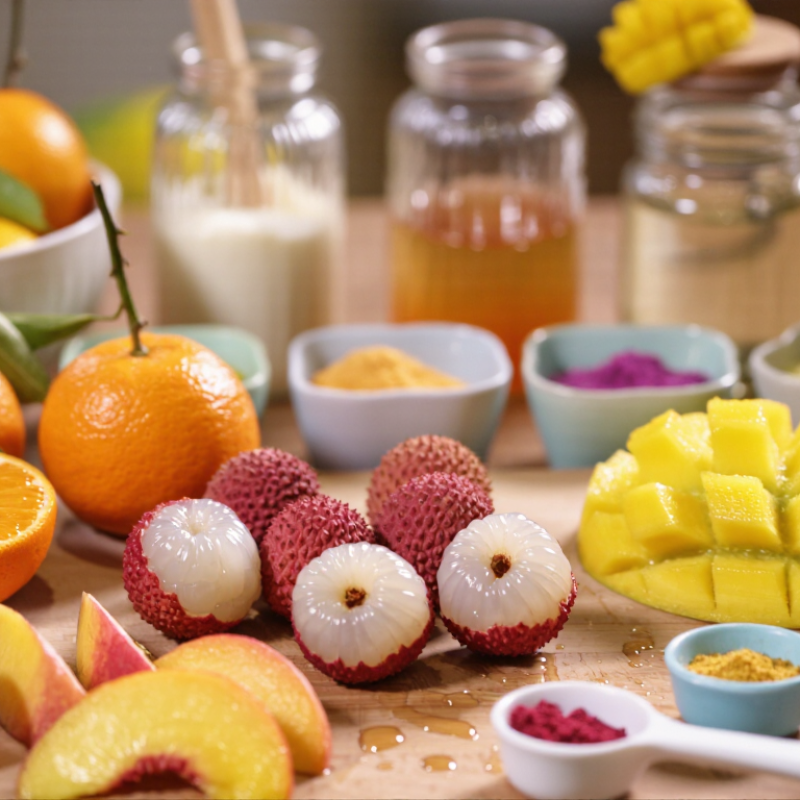
The best natural fruit flavouring from China is not simply the one with the strongest aroma or the most familiar fruit name. It is the one that suits a specific product, tastes convincing, and performs consistently from batch to batch. China’s varied growing regions offer ingredients associated with fruits such as citrus, peach, lychee, and mango. Each can bring a different character: bright peel notes, soft ripeness, or a floral finish. Small details matter. A flavour that smells vivid in a sample cup may fade in a baked filling or taste overly sweet in a drink.
A careful comparison starts with the intended use. Ask whether the flavouring is liquid or powdered, how it behaves with heat or acidity, and what documentation supports its stated composition and origin. and test it in the actual recipe, not only on its own. Check the aroma after mixing, the first taste, and the finish several minutes later. These practical checks reveal more than a product description alone. They also help buyers compare suppliers on clarity, consistency, and technical support.
There is no universal winner. Not quite. One supplier may offer a delicate lychee profile, while another may better suit a citrus beverage or fruit filling. “Natural” should not replace careful review of specifications and market requirements. I would also avoid judging quality from a vivid label or a single successful sample; that judgment can be premature. The most useful choice is supported by clear records, repeatable testing, and a flavour that fits the finished product without overpowering it.
Definition and Scope of Natural Fruit Flavouring
Natural fruit flavouring is a flavouring preparation whose fruit character comes from fruit-derived aromatic materials, such as juice concentrates, extracts, distillates, or recovered essences. The term describes a source and a sensory purpose, not a promise that the ingredient is unprocessed. Small amounts of carriers may help it disperse in drinks, dairy products, or baked goods. ISO 9235:2021 sets terminology for natural aromatic raw materials, but it should not be treated as one universal legal definition for every market. The boundary can be less intuitive than the label suggests.
For fruit sourced in China, useful checks include the named species, fruit part, harvest location, extraction method, and batch traceability. Taste the flavour in its intended food: a bright citrus top note can fade in a hot bakery filling, while berry notes may shift in acidic drinks. Details matter. Grand View Research estimated the broader global natural-flavours market at USD 8.63 billion in 2023 and projected continued growth through 2030; this figure covers more than fruit flavours. FAOSTAT’s 2022 crop data also recorded roughly 933 million tonnes of fruit worldwide, underscoring the diversity of potential raw materials. Neither figure identifies quality by origin alone. A supplier specification and a sensory test are still necessary, and sometimes the first sample is not quite right.
What Is the Best Natural Fruit Flavouring from China? - Definition and Scope of Natural Fruit Flavouring
Comparative overview of fruit-derived natural flavouring options commonly produced or processed in China. “Best” depends on the target product, required flavour strength, processing conditions, regulatory market and cost.
| Natural Fruit Flavouring | Typical Fruit Source | Characteristic Sensory Profile | Common Commercial Format | Best-Fit Applications | Key Advantages | Main Limitations | Overall Fit |
|---|---|---|---|---|---|---|---|
| Lychee flavour | Lychee fruit, especially fruit grown in southern China | Sweet, floral, juicy and lightly rose-like, with a fresh tropical finish | Liquid extract Water-soluble flavour Spray-dried powder | Tea beverages, fruit drinks, confectionery, desserts, dairy products and cocktail bases | Distinctive aroma; strong consumer recognition; works well with tea and citrus notes | Fresh top notes can fade during high-temperature processing; may require aroma protection | Excellent |
| Peach flavour | Peach and yellow peach | Ripe, juicy, soft, sweet and mildly floral with a rounded fruit character | Juice concentrate Liquid flavour Emulsion | Soft drinks, nectars, yoghurt, ice cream, jams, bakery fillings and chewing gum | Broad application range; familiar profile; easy to blend with apple, tea and berry notes | Natural peach aroma can vary by cultivar and harvest; colour and flavour may change with oxidation | Excellent |
| Mandarin flavour | Mandarin and tangerine citrus fruit | Bright, sweet-citrus, juicy and slightly green, with a clean peel note | Cold-pressed oil Peel extract Emulsion | Carbonated drinks, juice beverages, tea drinks, confectionery and functional beverages | High aroma impact; refreshing profile; suitable for both clear and cloudy beverages | Citrus oils may be sensitive to oxidation, light and heat; emulsions may be needed for beverage stability | Excellent |
| Orange flavour | Sweet orange and related citrus varieties | Fresh, sweet, juicy and peel-like with a familiar citrus aroma | Essential oil Juice concentrate Emulsion | Soft drinks, fruit juices, sports drinks, confectionery, bakery products and sauces | Widely accepted flavour; strong compatibility with acidified products; scalable supply format | Volatile citrus components can oxidise; cloud stability and oil dispersion must be controlled | Excellent |
| Strawberry flavour | Strawberry fruit | Sweet, berry-like, jammy and slightly acidic with a characteristic ripe-fruit note | Fruit puree Liquid extract Spray-dried powder | Yoghurt, ice cream, milk drinks, confectionery, bakery fillings and fruit preparations | Strong consumer appeal; suitable for dairy and dessert systems; available in liquid and powder formats | Natural strawberry aroma is delicate; colour and flavour may lose intensity during heat treatment or storage | Very good |
| Plum flavour | Chinese plum and related stone fruit | Sweet-sour, ripe, fruity and slightly tart, sometimes with a cooked-fruit character | Fruit extract Juice concentrate Powder | Fruit drinks, traditional beverages, sauces, confectionery and snack seasonings | Balances sweetness and acidity; suitable for distinctive regional flavour concepts | Profile varies significantly with variety and processing method; may require sweetness and acidity adjustment | Very good |
| Mango flavour | Mango fruit from southern and subtropical growing regions | Ripe, tropical, sweet and creamy with a soft resinous fruit note | Puree Juice concentrate Emulsion | Smoothies, nectars, dairy products, ice cream, confectionery and fruit fillings | Rich tropical identity; performs well in opaque beverages and dessert products | High pulp content can affect texture and processing; flavour may vary with ripeness and cultivar | Very good |
| Grape flavour | Table grapes and wine-grape varieties | Juicy, sweet and fruity; profile ranges from floral and muscat-like to dark and jammy | Juice concentrate Skin extract Powder | Juices, confectionery, sports beverages, jelly products and flavoured water | Good compatibility with beverages; can provide fruit solids, colour and flavour depending on the format | Natural profile is variety-dependent; colour stability and sedimentation require formulation control | Very good |
| Passion fruit flavour | Passion fruit pulp and seeds | Intensely aromatic, tropical, tangy and acidic with a distinctive floral character | Pulp Juice concentrate Liquid flavour | Juices, sparkling beverages, yoghurt, desserts, sauces and blended fruit drinks | Very high aroma recognition; adds acidity and complexity; effective at relatively low dosage | Acidic and seed-containing materials may complicate processing; aroma balance is important in mild products | Excellent |
| Apple flavour | Apple fruit and apple juice | Crisp, fresh, mildly sweet and green, or soft and cooked depending on the processing route | Juice concentrate Extract Powder | Juices, bakery products, cereal bars, sauces, tea beverages and fermented drinks | Neutral blending base; supports many fruit combinations; available in stable concentrate formats | Light natural aroma may be masked in strongly flavoured products; browning control may be required | Very good |
Related Posts
-

How to Choose Natural Flavors in Drinks for Global Suppliers?
-
Why Are Natural Flavor Additives Essential for Food Industry?
-
2026 Best Natural Strawberry Flavor Suppliers Guide
-
10 Best Natural Flavors in Drinks You Should Try?
-

Top 10 Tips for Choosing Natural Flavor Extracts for Your Recipes
-
10 Best All Natural Flavor Extracts for Baking and Cooking Enthusiasts