Why Choose Organic Flavors for a Healthier Lifestyle?
In today's health-conscious world, choosing organic flavors has become increasingly popular. Experts believe that incorporating organic flavors into one’s diet can lead to a healthier lifestyle. Dr. Emily Carson, a leading authority in the organic food industry, once stated, “Organic flavors not only enhance taste but also promote well-being.” This perspective emphasizes the dual benefits of enjoying delicious food while making health-conscious choices.
Organic flavors are derived from natural sources, free from harmful chemicals. They provide an authentic taste, unlike synthetic alternatives. The appeal lies in the purity and quality of ingredients. When we choose organic, we support sustainable practices and encourage biodiversity in farming. Yet, there is still room for reflection. Not every product labeled as "organic" meets strict standards. Consumers should be vigilant in understanding what they are buying.
The journey toward a healthier lifestyle is not perfect. It involves making informed choices and sometimes facing overwhelming options. However, by focusing on organic flavors, individuals can embrace a worthwhile path that enhances both health and taste. Balancing enjoyment and nutrition may require effort, but the rewards are tangible.

Benefits of Organic Flavors for Nutrition and Health
Organic flavors play a significant role in promoting a healthier lifestyle. According to a report by the Organic Trade Association, organic food sales reached $62 billion in the United States in 2020, indicating a growing trend toward natural food preferences. Organic flavors, derived from natural sources, offer a tactile array of taste without harmful chemicals or pesticides. They enrich our meals and snacks, enhancing both satisfaction and nutrition.
Incorporating organic flavors can significantly boost health. A study published in the Journal of Nutrition pointed out that eating organic foods is linked to higher antioxidant levels. Antioxidants are essential for reducing oxidative stress and inflammation in the body. Other research noted that organic produce often contains 20-40% more nutrients than their conventional counterparts. Organic flavors bring not only taste but also valuable health benefits, impacting energy levels and overall well-being.
Despite these advantages, some people may wonder about the cost of going organic. Organic products can be pricier, which might be a barrier for many. Additionally, not all products labeled as organic have the same rigor in standards. Consumers must do their research to identify genuine organic options. This learning process can sometimes be frustrating, but it emphasizes the importance of informed choices in food selection.
Understanding the Differences Between Organic and Conventional Flavors
When comparing organic and conventional flavors, it’s essential to understand their differences. Organic flavors often come from natural sources. They are less likely to contain synthetic additives. A study published in the *Journal of Agricultural and Food Chemistry* found that organic products typically have lower levels of pesticide residues. This can lead to a cleaner product overall.
Conventional flavors may include artificial ingredients for preservation. These chemicals can affect long-term health. The Organic Trade Association reports that organic farming practices contribute to biodiversity. This is crucial for sustainability. However, some argue that organic flavors might lack the intensity found in conventional varieties. Consumers sometimes miss the robust profiles of conventional flavors.
Choosing organic flavors is not just a trend; it’s a lifestyle decision. According to a survey by the Soil Association, many consumers are becoming more health-conscious. They tend to prioritize products with transparent sourcing. The shift indicates a growing trust in organic practices, despite some inconsistencies in flavor intensity. Rethinking your choices could lead to a healthier eating pattern over time.
The Environmental Impact of Choosing Organic Flavors
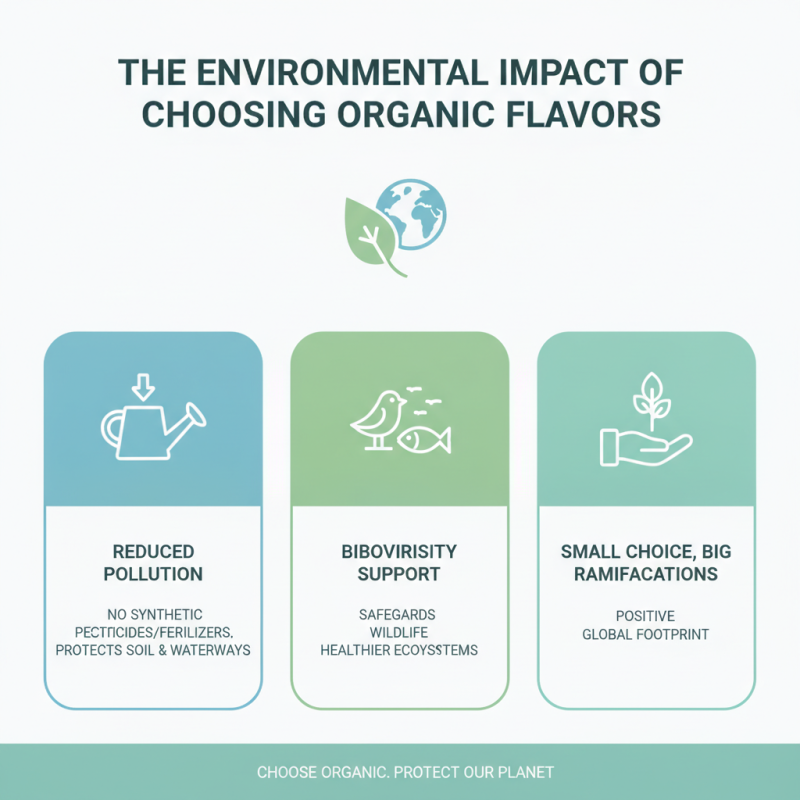
Choosing organic flavors can significantly reduce our environmental footprint. Organic farming practices avoid synthetic pesticides and fertilizers, which often leach into the soil and waterways. This contamination affects wildlife and local ecosystems. By opting for organic, consumers help protect biodiversity. It’s a small choice with large ramifications.
Organic farming also focuses on maintaining healthy soil through crop rotation and composting. Healthy soil captures carbon, reducing greenhouse gases in the atmosphere. However, organic farming faces challenges. It requires more labor and can produce lower yields than conventional methods. Thus, it’s crucial to recognize that while organic flavors are beneficial, there’s still room for improvement in the industry.
There is a growing demand for organic products, but accessibility can be an issue. Some communities lack access to organic options. Supporting local farmers who grow organically can bridge this gap. It encourages sustainable practices while fostering community ties. Every decision counts, and it’s essential to stay informed and reflective about our choices.
How Organic Flavors Improve Food Quality and Taste
Organic flavors offer a unique way to enhance food quality and taste. They come from natural sources without synthetic additives. This leads to a fresher, more vibrant flavor profile. When fruits and herbs are grown organically, they often develop more intense flavors. For example, organic strawberries typically taste sweeter than their conventional counterparts. This richness can elevate a simple dish to something special.
Incorporating organic flavors into your diet can also improve overall food quality. With no harmful pesticides or chemicals, these flavors support better health. People often feel more energized and satisfied after eating organic foods. The way food is grown plays a key role in its nutritional content. Organic farming techniques enhance soil health, resulting in more nutrient-dense ingredients. However, it is important to recognize that not all organic foods are created equal. Some may still lack the depth of flavor you expect.
Using organic flavors can come with challenges. Sometimes, they may not provide the same taste consistency as synthetic flavors. Additionally, they can be more expensive and harder to find. This requires careful planning when shopping. Still, the benefits often outweigh the drawbacks. Embracing organic flavors can lead to a healthier, tastier lifestyle. Reflecting on these points can inspire you to make mindful choices in your food journey.
Trends in Organic Flavor Usage in the Food Industry
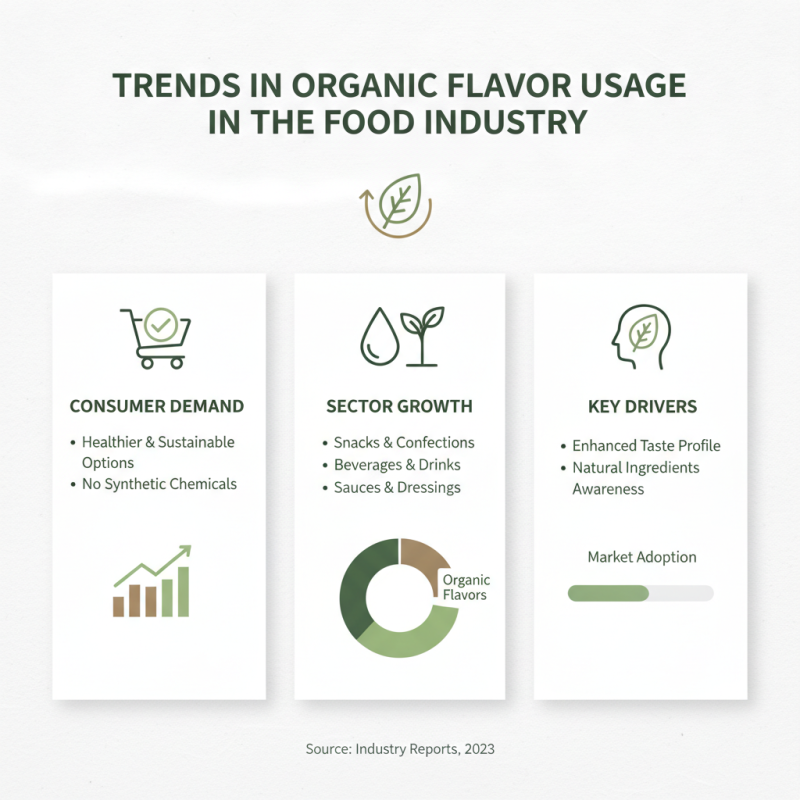
The food industry is increasingly embracing organic flavors as consumers demand healthier and more sustainable options. These flavors not only taste better but also come from sources that are free from synthetic chemicals. Recent trends indicate a significant rise in the use of organic flavorings in various sectors, including snacks, beverages, and sauces. This shift is fueled by a growing awareness of the benefits of natural ingredients.
Tips: When choosing organic flavors, look for certifications that guarantee quality. Not all products labeled as "organic" meet the strict standards. Reading labels carefully is essential. Keep in mind that organic does not always mean healthier; portion sizes and overall diet matter as well.
The trend towards organic flavors reflects a broader movement towards transparency in food production. More consumers are seeking to understand where their food comes from and how it's made. However, some companies may mislead customers with vague claims. This calls for vigilance and informed choices. By advocating for transparency, consumers can help shape the market and ensure only the best products thrive.