10 Tips for Enhancing Natural Taste in Your Cooking?
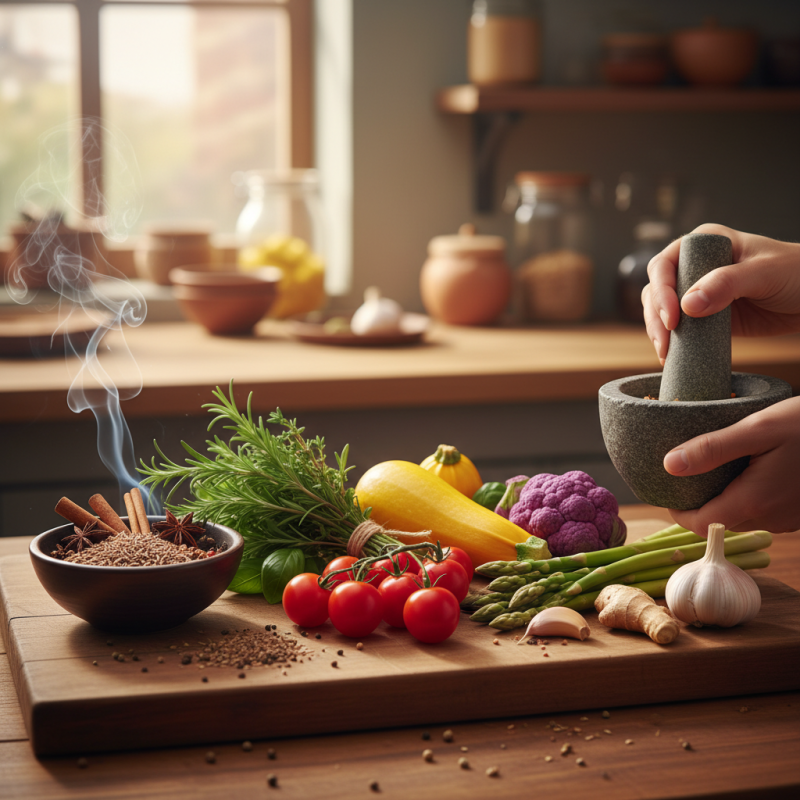
Cooking is an art that thrives on the essence of flavors. One key aspect is enhancing the natural taste of ingredients. When we prioritize the natural taste, meals become more vibrant and satisfying. The use of fresh herbs, spices, and quality produce can bring out these flavors beautifully.
Many people overlook simple techniques that boost this natural taste. For instance, toasting spices can unlock their full potential. Seasonal vegetables often offer stronger flavors than those out of season. Yet, some cooks forget this and rely on processed ingredients. This can lead to bland results.
Ultimately, enhancing natural taste is about balance and patience. It requires a willingness to experiment and sometimes fail. Don't be afraid to make mistakes. Each attempt is a chance to learn and improve. Embrace the journey of discovery in your cooking. You might find joy in the unexpected.
Understanding the Science Behind Flavor: How Taste Perception Works
Understanding flavor starts with grasping taste perception. Our senses play a key role in this process. Taste buds detect five basic flavors: sweet, salty, sour, bitter, and umami. This is important; each flavor contributes to the overall experience of a dish. For instance, umami, often described as savory, can enhance the depth of meals.
Research indicates that aroma significantly impacts flavor perception. The sense of smell accounts for approximately 80% of what we taste. This means that cooking techniques that preserve or enhance aroma can alter our perception of natural tastes. Think about herbs and spices; they not only add flavor but also elevate aroma, thus improving the overall experience of your cooking.
While experimentation is encouraged, not every combination will delight. Too much spice or acidity can overwhelm subtle flavors. A balance is necessary. Chefs often face the challenge of enhancing taste while retaining freshness. Reflecting on this balance often leads to delicious discoveries, ensuring each dish tells a story through its flavors. It’s all about finding that sweet spot between enhancing and overpowering.
10 Tips for Enhancing Natural Taste in Your Cooking
Using Fresh Herbs and Spices to Elevate Natural Flavors Effectively
Fresh herbs and spices can transform your cooking. They enhance natural flavors without overpowering the dish. According to a study by the Specialty Food Association, 87% of people appreciate the impact of herbs and spices on taste. Using them wisely can elevate everyday meals.
Consider basil, which pairs well with tomatoes. Just a sprinkle adds freshness. Cilantro is another great option for enhancing flavor in salsas. Yet, not everyone enjoys it. Sometimes, you might add too much and lose balance. Experimentation is key.
Keep in mind that freshness matters. Dried herbs can lack vitality. A 2021 report indicated that fresh herbs retain more essential oils, contributing to a richer flavor profile. Try growing your herbs at home; it’s rewarding. The aroma alone sparks creativity. However, don't hurry. Take your time to discover what works best for your palate.
Cooking Techniques That Enhance Natural Taste: Roasting vs. Steaming
Roasting and steaming are two techniques that drastically influence the flavor of food. Roasting brings out deep, intense flavors. The high heat caramelizes sugars, enhancing sweetness and creating a crispy texture. For vegetables, this method intensifies their natural sweetness. Think of roasted carrots or Brussels sprouts, where their earthy flavors come to life.
Steaming offers a different advantage. It maintains the freshness of ingredients, preserving nutrients and natural tastes. Cooking broccoli this way keeps its bright color and crispness. You can drizzle a bit of lemon juice after steaming to lift its flavor profile. Both techniques can elevate simple dishes.
To enhance the natural taste in your cooking, consider these tips. Use herbs and spices wisely; they can complement flavors without overpowering them. Don’t be afraid to experiment with cooking times. Overcooking can dull tastes, while perfectly timed cooking can brighten them. Taste as you go. It's a fundamental practice that leads to delicious results.
The Role of Temperature in Taste Release: Optimal Cooking Tips
Temperature plays a vital role in taste release. The right heat can amplify flavors, while the wrong temperature can dull them. Cooking food at an optimal temperature enables essential oils and aromas to be released. A study published in the Journal of Food Science notes that cooking vegetables at higher temperatures can increase their sweetness and enhance overall flavor.
One tip is to sauté vegetables quickly over high heat. This method allows sugars to caramelize, bringing out their natural sweetness. For proteins, sear meat to develop a rich crust. Lower temperatures can lead to dry, bland meals. For instance, roasting at 400°F (about 200°C) can bring out complex flavors in proteins that are missed at lower temperatures.
Another important factor is resting time. After cooking, letting food rest allows flavors to develop and settle. Meat should rest for at least five minutes. This step is often overlooked but it can significantly impact taste. Blending raw ingredients at lower temperatures can suppress their authentic flavors. A temperature range around 350°F to 400°F (175°C to 200°C) generally works best for unlocking a dish's full potential. Careful attention to temperature can elevate a dish's taste profile remarkably.
Balancing Acidity and Sweetness: Creating Harmonious Flavor Profiles
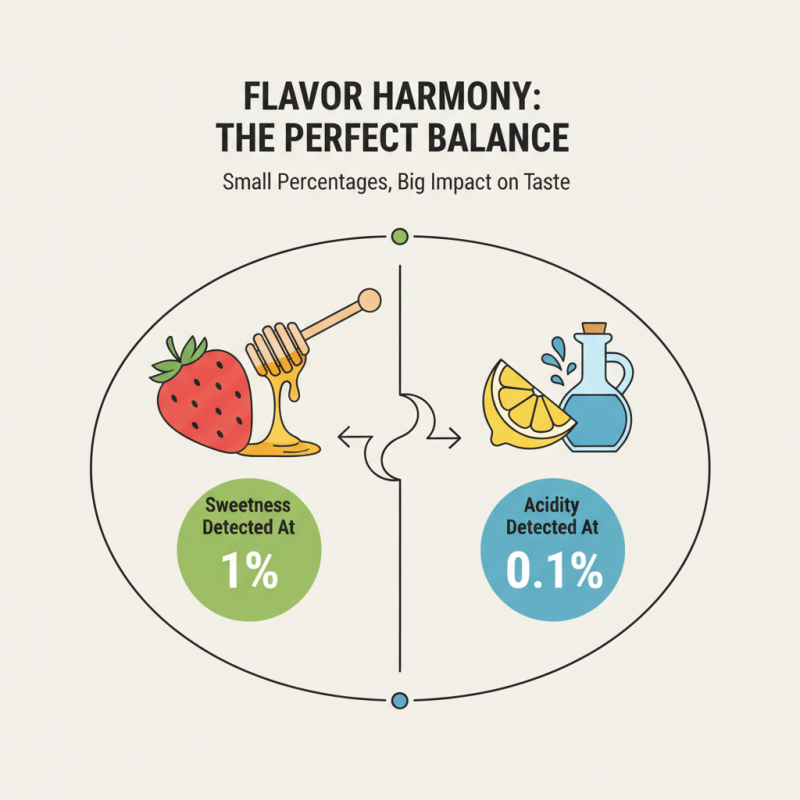
Balancing acidity and sweetness is key to creating delicious dishes. A well-balanced flavor profile makes meals more appealing. Research shows that the human palate can detect sweetness at about 1% concentration, while acidity is often recognized at 0.1%. These small percentages significantly impact our enjoyment of food.
Consider using ingredients like citrus juice or vinegar to add acidity. They can cut through richness and elevate flavors. For instance, a squeeze of lemon can brighten a heavy cream sauce. It’s crucial to find the right level of acidity, as too much can overwhelm the dish.
Conversely, sweetness can come from honey or ripe fruits. These ingredients add depth. A study by the Flavor Chemistry Journal indicates that an ideal balance often features 70% acidity and 30% sweetness. Experimenting with these ratios can lead to better dishes. However, don't hesitate to make mistakes. Learning from overly sour or overly sweet experiences is part of the culinary journey.