Top 10 Flavor Additives You Need to Know About?
Flavor additives play a crucial role in enhancing the taste of food and beverages. They come in various forms, like natural extracts and artificial compounds. Each type brings unique qualities to dishes, elevating them beyond their basic ingredients.
Understanding flavor additives is essential for food enthusiasts and professionals alike. These components can transform a mundane meal into a gastronomic delight. However, not all additives are created equal. Some have potential health impacts that warrant attention. We must reflect on the foods we consume and their underlying ingredients.
Diving into the world of flavor additives reveals fascinating options. From sweeteners to spices, each has a story. Exploring these options can inspire creativity in the kitchen. Nonetheless, it's important to use them mindfully. Balance is key when experimenting with flavors, as overdoing it can lead to overwhelming dishes.
Types of Flavor Additives and Their Functions
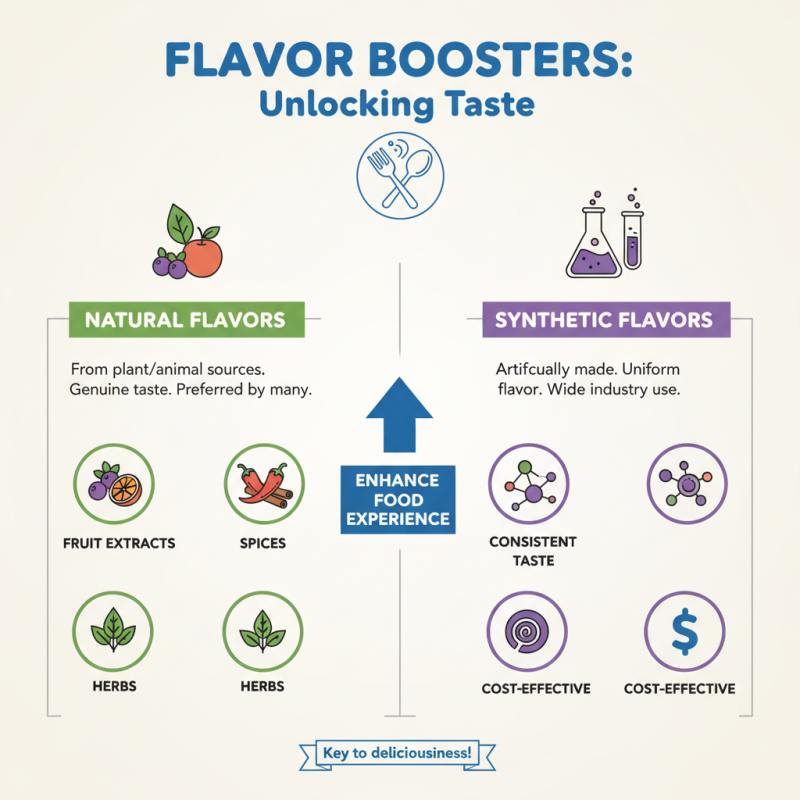
Flavor additives play a crucial role in enhancing the taste of food. There are various types used in the industry. Natural flavors come from plant or animal sources. These can include fruit extracts, spices, or even herbs. They provide a genuine taste that many consumers prefer.
Artificial flavors, on the other hand, are chemically synthesized. They can mimic the taste of natural flavors but are often less expensive. They allow for consistent flavor profiles, which is appealing for mass production. However, some people are wary of them. There's a debate about the safety and long-term effects of artificial components.
There are also flavor enhancers, such as monosodium glutamate (MSG). These substances boost the existing flavors in foods. They work well in savory dishes but can cause reactions in sensitive individuals. Sweeteners, both natural and artificial, are essential for desserts and snacks. Each additive has its purpose and function. Understanding them can improve culinary creativity and food choices.
Natural vs Synthetic Flavor Additives: Key Differences
Flavor additives are essential in food production. They enhance taste and aroma. These additives can be classified into natural and synthetic categories. Understanding their differences is crucial for informed choices.
Natural flavor additives come from real food sources. They are derived from plants, fruits, or animals. For example, vanilla extract from vanilla beans is a natural flavor. These additives often carry health benefits and tend to be less harmful. They can also evoke emotions tied to memories.
Synthetic flavor additives are created in laboratories. They mimic natural flavors but often lack the depth of real ingredients. Some synthetic additives can cause allergic reactions or sensitivities. The debate continues about their safety and long-term effects. People should be cautious. Reflecting on what we consume is important. Choosing natural options may benefit health and well-being in the long run.
Common Sources of Flavor Additives in Food Products
Flavor additives play a crucial role in the food industry. They enhance taste, making products more appealing. These additives can be natural or artificial, each with a unique origin. Common sources include fruits, vegetables, herbs, and spices. For instance, citric acid, derived from citrus fruits, is widely used to add tanginess.
Many processed foods incorporate flavor additives for consistency and cost-effectiveness. Artificial flavorings are often derived from synthetic compounds, mimicking natural tastes. This raises questions about the authenticity of flavors we consume. Do they truly represent the ingredients on the label? Be mindful that some flavorings may originate from unexpected sources, like animal products.
Many people overlook the importance of understanding these additives. A flavor additive can change the perception of a product entirely. For example, a simple snack can taste gourmet with the right seasoning. Yet, not every flavor enhancer is benign. Some may cause allergic reactions or other health issues. Always consider inspecting ingredient labels closely.
Health Implications and Regulatory Standards for Flavor Additives
Flavor additives play a crucial role in the food industry. They enhance taste and improve the overall experience. Recent studies show that flavor additives make up about 10% of the total food additives market. Despite their popularity, concerns about health implications are rising. Some additives have been linked to allergies or digestive issues. According to the U.S. Food and Drug Administration (FDA), more than 1,000 flavoring substances are approved for use. However, not all are deemed safe for everyone.
Regulatory standards vary globally. In the European Union, for example, flavor additives must undergo strict testing. The EFSA (European Food Safety Authority) evaluates the safety of these substances. They often set maximum limits for consumption. On the other hand, in the U.S., many additives are "generally recognized as safe" (GRAS). This can sometimes lead to confusion. Consumers may assume all additives are safe, without understanding their effects.
Tips: Always read labels. Look for natural flavoring options. They often contain fewer harmful chemicals. Keep in mind that some individuals may have sensitivities. What’s safe for one may not be for another. Balancing flavor with health is essential. Moderation is key to enjoying flavor additives responsibly.
Top 10 Flavor Additives You Need to Know About
This chart displays the top 10 flavor additives along with their health implications and accepted daily intake (ADI) levels according to regulatory standards.
Innovative Trends in Flavor Additive Development and Usage
Innovative trends in flavor additive development are reshaping the food industry. According to a recent report by the Food and Flavor Research Institute, the market for flavor additives is projected to grow by 10% annually. This growth reflects changing consumer preferences for natural and health-focused ingredients. Many consumers are interested in plant-based flavors, which are often perceived as healthier options.
New extraction methods are enhancing the quality and diversity of flavors. Techniques like supercritical CO2 extraction deliver pure flavors without chemical residues. The use of unconventional ingredients, such as seaweed and exotic fruits, is rising. This trend caters to adventurous eaters seeking unique sensory experiences. However, the accessibility of these innovative flavors is still a challenge for many brands, often requiring higher production costs.
Tips: When experimenting with new flavors, consider small batches to gauge consumer response. Don't overlook the importance of labeling; transparency matters. Create an engaging narrative around your flavor story to connect with consumers emotionally. Exploring these innovative trends can open doors to new market opportunities, but brands must stay grounded and adaptable.
Top 10 Flavor Additives You Need to Know About
| Additive Name |
Source |
Usage |
Advantages |
Trends |
| Vanillin |
Natural |
Baked goods, chocolates |
Rich vanilla flavor |
Increase in natural flavor demand |
| Citric Acid |
Natural |
Beverages, candies |
Enhances tartness |
Growing popularity in health products |
| Lemon Oil |
Natural |
Drinks, desserts |
Fresh and zesty flavor |
Increased use in organic products |
| Natural Fruit Extracts |
Natural |
Snacks, yogurts |
True fruit flavor |
Rising demand for clean labels |
| Spices Blend |
Natural |
Sauces, marinades |
Enhances flavor complexity |
Shift towards ethnic flavors |
| Maltodextrin |
Synthetic |
Snacks, sauces |
Improves texture |
Use in low-calorie products |
| Lactic Acid |
Natural |
Dairy, beverages |
Adds sourness and preserves |
Rise in plant-based dairy alternatives |
| Hops Extract |
Natural |
Beverages |
Provides bitterness |
Innovative uses in non-alcoholic drinks |
| Ginger Extract |
Natural |
Beverages, snacks |
Spicy and warming flavor |
Health-oriented products |
| Chocolate Flavoring |
Synthetic/Natural |
Confectioneries |
Rich chocolate taste |
Rising interest in dark chocolate |