Loading...

Top Inulin Powder Suppliers for Global Buyers?

Global demand for Inulin Powder is expanding as food, beverage, and nutrition brands seek recognizable prebiotic fibers. Grand View Research’s Inulin Market report projects continued market growth through 2030, supported by digestive-health awareness and clean-label product development. The report also identifies chicory root as a major commercial source.

Demand is only one part of the decision. Global buyers must examine supplier capability, not attractive brochures alone. A reliable supplier should provide a current specification sheet, certificate of analysis, allergen statement, and traceability records. Testing should cover inulin content, moisture, ash, microbiological limits, heavy metals, and pesticide residues. Product performance also matters. DP value, solubility, sweetness, and particle size can change texture in yogurt, nutrition bars, and powdered drinks.

Look beyond price.

Reports from MarketsandMarkets and Mordor Intelligence similarly describe strong competition among regional producers, with Europe remaining influential in chicory-based ingredients. However, market estimates vary because research firms use different product definitions and reporting years. That difference deserves attention. A supplier claiming exceptional capacity should support it with audit evidence, production records, and realistic lead times. Buyers should also confirm certifications, including HACCP, FSSC 22000, ISO systems, organic status, or applicable religious certifications. These credentials do not replace independent verification.

This guide compares leading Inulin Powder suppliers through a practical purchasing lens. It considers raw-material origin, manufacturing experience, quality controls, export history, packaging, minimum order quantities, and logistics support. Some conclusions may require updating as prices and harvest conditions change. That is an unavoidable limitation. Still, careful documentation and sample testing can reduce avoidable risk before a long-term contract is signed.
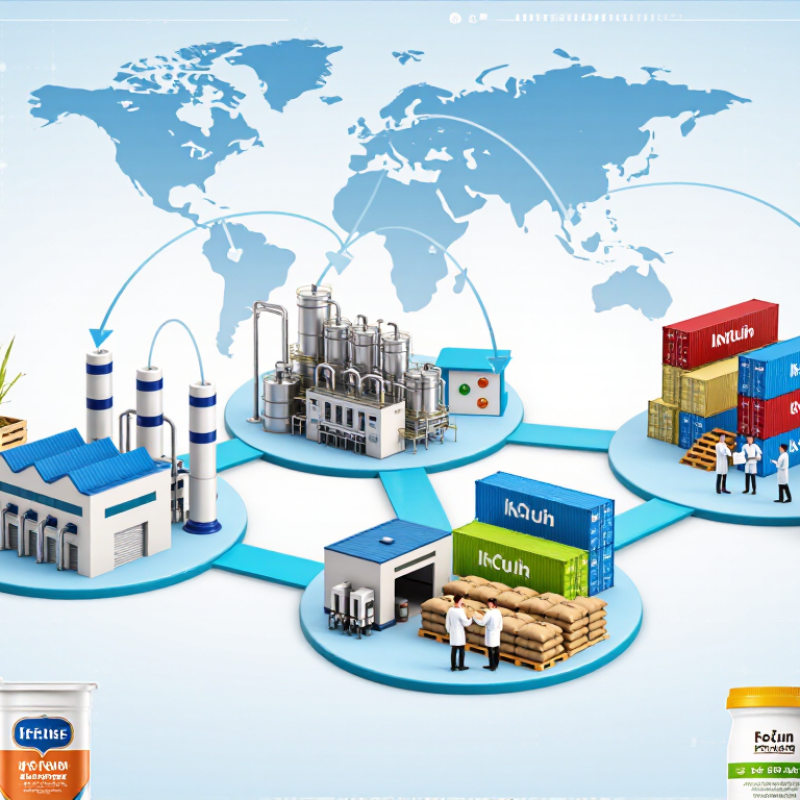
Top Inulin Powder Suppliers for Global Buyers?

What Is Inulin Powder and Why Do Global Buyers Need It?

What Is Inulin Powder and Why Do Global Buyers Need It?

Inulin powder is a soluble dietary fiber found naturally in chicory root, Jerusalem artichoke, and some other plants. Manufacturers usually extract, purify, and dry it into a pale, free-flowing powder. It has a mild taste and can support fiber enrichment in foods, beverages, and nutrition products. Inulin also acts as a texture aid, helping create body in yogurt, snack bars, powdered drinks, and bakery formulas.

Global buyers need more than a low quoted price. They need stable specifications, reliable documentation, and shipment consistency. A dependable supplier should provide identity testing, purity data, moisture results, microbiological reports, and allergen information.

Buyers should also confirm the inulin type, fiber content, solubility, particle size, and packaging format. These details affect processing performance. They also affect customer acceptance.

In practical sourcing, sampling is essential. A powder may look clean but disperse poorly in cold water. That problem can appear only during production. Requesting a representative sample, batch records, and storage guidance reduces avoidable risk. Climate matters too. High humidity can cause caking during transport or warehouse storage. Protective packaging and clear shelf-life controls are not minor details. They are purchasing requirements.

Inulin is useful, but it is not a magic fiber. Some consumers may experience digestive discomfort when intake rises quickly. Product developers should consider serving size and label communication carefully.

Supplier evaluations should include technical support, response speed, and contingency planning. The cheapest offer may become expensive after delays, reformulation, or rejected goods.

How to Evaluate Inulin Powder Suppliers Across International Markets

Top Inulin Powder Suppliers for Global Buyers?

International buyers should evaluate inulin suppliers through evidence, not attractive quotations. Recent reports from Grand View Research and Mordor Intelligence place the global inulin market on a mid-single-digit growth path through 2030. This growth increases supplier choices, but quality can vary sharply. Request the product specification, certificate of analysis, allergen statement, microbiological results, and country-of-origin documents. Check the inulin degree of polymerization, moisture level, solubility, sweetness, and fiber content. These details affect texture and labeling.

Supplier reliability also depends on practical experience. Ask whether each batch receives independent testing for pathogens, heavy metals, and contaminants. Review the supplier’s traceability system from root sourcing to sealed bags. A serious exporter should explain storage temperature, shelf life, packaging barriers, and transport conditions. Confirm food-safety certification and audit dates, not only certificate logos. Codex and regional food authorities provide useful reference points, but market rules still differ. A specification accepted in one country may need revision elsewhere.

Tips: Start with a sample and a small trial order. Compare three batches, not one. Measure odor, dispersion, and fiber content after storage. Ask for realistic lead times under seasonal pressure. Incoterms, customs support, and insurance should be written clearly. Price matters, of course. I have found that the cheapest offer can become expensive after delays, retesting, or rejected packaging. No checklist is perfect. Keep records, challenge unclear answers, and reassess suppliers annually.

Leading Inulin Powder Supplier Regions and Their Market Strengths

Top Inulin Powder Suppliers for Global Buyers

Belgium, France, and the Netherlands remain leading inulin supplier regions. Their strength comes from long-standing chicory cultivation and refined processing systems. Farmers typically deliver chicory roots to nearby facilities, reducing transport time before extraction. This supports consistent color, taste, and dietary fiber content. European suppliers often provide detailed certificates of analysis, allergen statements, and batch traceability. Buyers should check the inulin’s degree of polymerization, moisture level, microbiological results, and production date.

China has become a competitive processing center for global buyers. Its advantages include large manufacturing capacity, flexible packaging, and attractive pricing for volume orders. Some facilities also offer customized particle sizes or blends for beverages, bakery fillings, and nutrition products. However, lower prices need careful review. Buyers should verify raw material origin, testing frequency, factory audits, and export documentation. A polished specification sheet is useful, but it does not replace independent quality checks.

North America is a major demand region rather than the main chicory-growing base. Local suppliers often add value through formulation support, warehouse distribution, and technical guidance. They can help food manufacturers test inulin in yogurt, nutrition bars, or powdered drinks. India and other Asian markets are also expanding, especially in functional food applications. Supply consistency can vary between regions. I would request three production samples, not one, before approving a long-term contract. Real performance may change with season, storage conditions, or processing temperature.

Quality, Certifications, Pricing, and Logistics for Global Purchases

Selecting reliable inulin powder suppliers requires more than comparing website prices. Global buyers should request a current specification sheet and a batch-specific certificate of analysis. Check inulin content, moisture, ash, microbiological limits, heavy metals, allergens, and solubility. A consistent powder should arrive free-flowing, without unusual odor or visible clumps. Small details matter.

Certifications can support supplier credibility, but buyers should verify their scope and validity. Common systems include HACCP, GMP, and ISO 22000, depending on the product’s intended use and destination market. Traceability records should connect raw material lots with production and packaging dates. Ask whether the supplier can provide samples before signing a large contract. A sample is useful, but it cannot replace independent testing.

Pricing usually depends on purity, degree of polymerization, order volume, packaging, and delivery terms. Request quotations using the same Incoterm, currency, and shipment quantity. Otherwise, a lower price may simply exclude freight, insurance, duties, or port charges.

For logistics, use moisture-resistant inner bags, sealed cartons, and clearly marked pallets. Confirm shelf life, storage temperature, loading conditions, and transport documents before dispatch. Delivery delays happen. A realistic buffer is safer than a perfect schedule.

Suppliers may communicate confidently, yet their capacity records can be incomplete. Buyers should review production lead times, backup inventory, and complaint procedures. That extra checking may feel slow, but it prevents expensive surprises.

How to Select the Right Inulin Powder Supplier for Your Business

Selecting the right inulin powder supplier starts with product evidence, not attractive pricing. Ask whether the powder comes from chicory, agave, or another declared plant source. The source affects taste, solubility, fiber content, and consumer positioning. Request a recent certificate of analysis for every production lot. It should show inulin assay, moisture, ash, microbiological results, and particle specifications.

A dependable supplier should explain its traceability system from raw material to packed goods. Check allergen controls, food safety certifications, storage conditions, and packaging materials. Ask for a small sample before approving a larger order. Test it in your actual formula, such as yogurt, a nutrition bar, or a powdered drink. Watch for clumping, sweetness, gritty texture, and changes after heating. Real performance matters.

Supply consistency deserves equal attention. Confirm minimum order quantities, lead times, production capacity, and backup arrangements. A supplier may provide excellent samples but struggle during seasonal demand. That happens. Discuss lot-to-lot variation and agree on acceptance limits in writing. Verify export documents and labeling support for your target market. Do not rely on verbal promises. A low price can still be expensive when delayed shipments stop production. I would also review communication speed during the evaluation stage; slow replies often reveal future problems. No supplier is perfect, and technical data may leave practical questions unanswered. Ask again, test carefully, and keep your approval records.

Top Inulin Powder Suppliers for Global Buyers? - How to Select the Right Inulin Powder Supplier for Your Business

A practical supplier-evaluation framework based on product specifications, quality controls, documentation, logistics, and commercial fit.

Evaluation Dimension Recommended Buyer Benchmark Key Data to Compare Documents or Evidence to Request Business Importance Suggested Weight
Inulin Type Match the powder to the intended application, such as beverages, dairy products, bakery, nutrition products, or dietary supplements. Native inulin Long-chain inulin Short-chain oligofructose Product specification sheet, product grade description, application guide, and representative sample. Chain length affects solubility, sweetness, texture, fiber performance, and formulation behavior. 15%
Dietary Fiber Content Confirm that the declared fiber level meets the target for the finished product and the destination-market labeling rules. Declared dietary fiber percentage on a dry basis; test method used; moisture-adjusted results where applicable. Recent certificate of analysis, nutrition specification, and laboratory test method. Fiber content directly influences nutrition claims, dosage calculations, and label compliance. 15%
Purity and Composition Prefer a clearly defined carbohydrate profile with controlled levels of moisture, ash, sugars, and other impurities. Inulin or fructan content, moisture, ash, glucose, fructose, sucrose, and insoluble matter. Batch-specific certificate of analysis and a full technical data sheet. Consistent composition improves taste, processing stability, and batch-to-batch reproducibility. 12%
Microbiological Safety Require limits appropriate for the product category and the importing market. Total plate count, yeast and mold, coliforms, Escherichia coli, Salmonella, and other applicable pathogens. Recent microbiological test report, HACCP plan, and batch-release procedure. Microbiological control is essential for food safety and acceptance by downstream manufacturers. 15%
Contaminant Control Use a supplier with a documented risk-based contaminant-monitoring program. Heavy metals, pesticide residues, mycotoxins, residual solvents where relevant, and allergen cross-contact. Contaminant test reports, allergen statement, non-GMO statement where required, and risk-assessment summary. Contaminant compliance varies by destination and can affect customs clearance and product registration. 12%
Food-Safety Certification Prioritize a valid, independently audited food-safety management system. Certification scope, issuing body, certificate validity, manufacturing site, and covered product category. Valid certificate for a recognized system such as GFSI-benchmarked certification, HACCP, or ISO 22000. Third-party certification reduces supplier-audit workload and supports customer qualification. 10%
Regulatory Documentation Supplier should support the requirements of the target importing countries. Food-contact status where relevant, country-of-origin information, product registration support, and labeling data. Regulatory statement, specification sheet, safety data sheet where applicable, and export documentation sample. Complete documentation helps prevent delays during regulatory review, import clearance, and customer audits. 10%
Traceability Every shipment should be traceable to a defined production batch and raw-material source. Batch coding, production date, best-before date, retained samples, recall procedure, and supply-chain records. Traceability flowchart, mock recall results, batch-code example, and recall policy. Traceability supports rapid investigation and protects business continuity during quality incidents. 8%
Packaging and Storage Packaging must protect the powder from moisture, contamination, and physical damage during international transport. Bag or liner material, standard pack sizes, pallet configuration, storage temperature, humidity guidance, and shelf life. Packaging specification, storage instructions, shelf-life statement, and transport-handling guidance. Inulin is a hygroscopic powder; moisture control helps preserve flowability and product quality. 5%
Supply Capacity Choose a supplier whose validated capacity can support both trial orders and forecasted commercial demand. Minimum order quantity, standard production capacity, allocation policy, production schedule, and backup arrangements. Capacity statement, manufacturing-site information, supply continuity plan, and production lead-time estimate. Reliable capacity reduces the risk of stockouts, production interruptions, and emergency purchasing. 6%
Commercial Terms Compare total landed cost rather than quoted powder price alone. Price basis, Incoterms, payment terms, freight assumptions, packaging charges, testing fees, and order validity. Formal quotation, proforma invoice sample, Incoterms confirmation, and payment-term proposal. Total landed cost determines the real margin and should include freight, duties, inspection, and handling. 7%
Technical Support Supplier should provide formulation assistance and responsive troubleshooting during product qualification. Application data, recommended dosage range, dispersion guidance, compatibility notes, and response time. Application guide, sample-development process, technical contact details, and trial-support policy. Technical support can shorten development cycles and reduce failed pilot batches. 5%
Selection method: Score each supplier from 1 to 5 for every dimension, multiply the score by the suggested weight, and shortlist suppliers that pass all mandatory food-safety, regulatory, traceability, and specification requirements. Product specifications and legal requirements should always be verified against the current rules of the destination market.