What Are China’s Top Natural Flavor Additives?
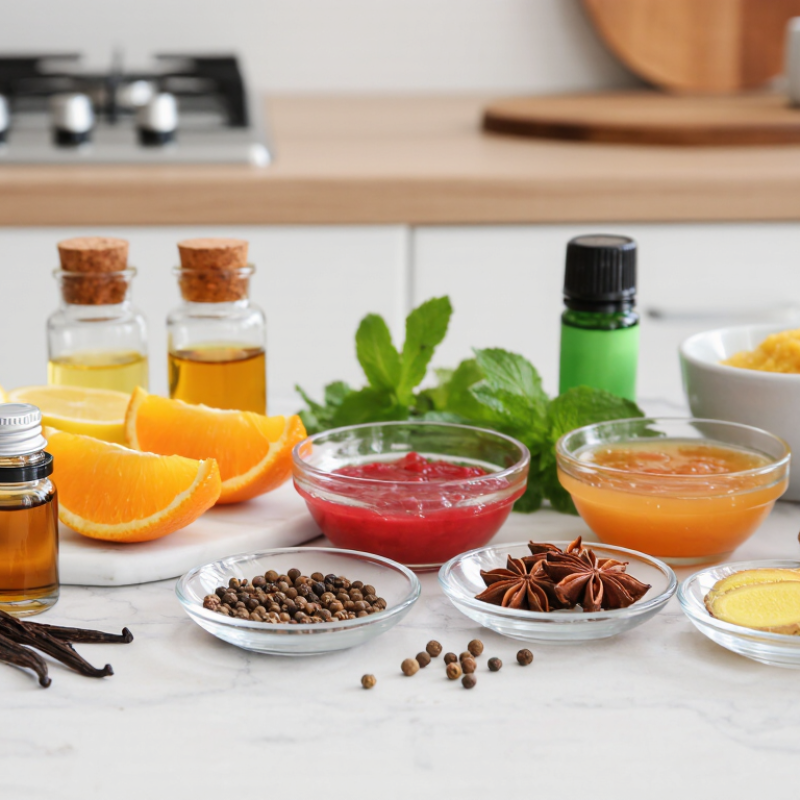
Natural flavor additives help foods express familiar aromas without relying solely on synthetic flavor compounds. Common examples include vanilla extract, citrus oils, peppermint oil, fruit concentrates, spice extracts, and yeast-derived flavor ingredients. Their roles can be subtle or powerful.
Vanilla brings warm sweetness to bakery products and beverages. Lemon and orange oils add bright, fresh notes. Peppermint creates a cooling sensation in confectionery and oral-care products. Yeast extract can deepen savory taste in soups, sauces, and plant-based foods. These ingredients often perform differently after heating, freezing, or prolonged storage.
Food scientist Dr. Kantha Shelke has cautioned, “Natural does not automatically mean safer.” That reminder matters. Natural flavor additives still require careful evaluation, proper sourcing, controlled dosage, and transparent labeling. “Natural” describes the source, not a guaranteed health benefit.
The category is less tidy than many product pages suggest. A natural vanilla extract, for example, differs from a concentrated vanilla flavor preparation. Citrus oils may also require carriers, stabilization, or oxidation control. Those technical details influence taste, cost, shelf life, and consumer expectations.
This article examines China’s top natural flavor additives through practical industry factors. These include availability, culinary familiarity, sensory performance, processing stability, and market demand. China’s regional cuisines create varied opportunities, from Sichuan pepper and tea extracts to citrus, ginger, garlic, and mushroom flavors.
No single additive is best for every formula. A flavor that succeeds in tea may fail in a baked snack. Careful testing remains essential. The following overview highlights leading options while acknowledging an important limitation: market popularity can change quickly with crops, regulations, technology, and consumer preferences.
Definition and Role of Natural Flavor Additives in China
What Are China’s Top Natural Flavor Additives?
In China, natural flavor additives are flavoring substances obtained from plants, animals, or other natural materials. They may come from citrus peels, mint leaves, vanilla pods, spices, fruits, or fermented ingredients. Extraction, distillation, drying, and other approved processes can concentrate their aroma. The source alone does not define quality. Processing conditions, purity, stability, and permitted use also matter.
China’s food flavoring system manages these ingredients through national food safety standards and usage requirements. Manufacturers use citrus oils for fresh notes, mint extracts for cooling sensations, and spice extracts for warmth. Fruit concentrates can strengthen weak aromas in beverages, desserts, and dairy products. Natural flavors also help replace aroma lost during heating, storage, or pasteurization. Small amounts can change the whole sensory profile.
The word natural sounds simple. It is not.
A responsible technical review should check the ingredient source, production method, specification, and application limit. Sensory testing is equally important. One extract may smell bright in a laboratory vial but fade quickly in a finished drink. Another may become bitter after heating. I have found that “natural” does not always mean more suitable, cleaner, or stronger. Cost, supply consistency, allergen information, and regional labeling expectations can affect the final choice. Some applications still need careful adjustment because natural materials vary between harvests.
Major Plant-Based Flavor Additives Used in Chinese Foods
What Are China’s Top Natural Flavor Additives?
Major Plant-Based Flavor Additives Used in Chinese Foods
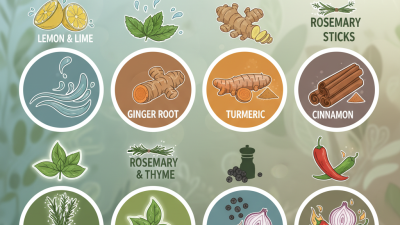
Chinese cooking often builds flavor from plants rather than one dominant seasoning. Ginger adds warmth and a clean, sharp aroma. Garlic brings sweetness after frying. Scallions provide freshness in soups, stir-fries, and dumpling fillings. Star anise, cinnamon, and cloves create deeper notes in braised dishes. Sichuan pepper adds a citrus-like fragrance and a distinctive tingling sensation. Dried orange peel can brighten rich sauces, although its bitterness needs careful control. These ingredients are usually added during cooking, not treated as isolated flavor chemicals.
Quality changes the result. In practical kitchen testing, fresh ginger gives a brighter taste than older, fibrous pieces. Whole spices also keep their aroma longer than pre-ground powders. However, traditional does not always mean better. Poor storage can cause musty odors, mold risks, or weak flavor. Food professionals should check cleanliness, traceability, allergen information, and local labeling requirements. Some ingredients also vary by region and harvest season.
Tips: Toast whole spices briefly, then remove them before serving if their texture is unpleasant. Start with small amounts. Taste again after simmering. Do not let strong spices hide stale oil or poor-quality ingredients. I sometimes use less than traditional recipes suggest, because balance matters more than intensity. That judgment can be imperfect, but careful tasting remains essential.
Animal, Fermentation-Based, and Mineral Flavor Sources
China’s flavor industry increasingly draws from animal, fermentation-based, and mineral sources. These materials can create savory depth, dairy notes, acidity, or salt balance. Their value depends on traceability, processing control, and accurate labeling.
Animal-derived sources include dairy concentrates, meat stocks, fish hydrolysates, and poultry extracts. The FAO’s Food Outlook 2024 estimates global milk production at nearly 965 million tonnes in 2023. This supply supports natural creamy notes and cooked-milk aromas.
FAO’s State of World Fisheries and Aquaculture 2024 reported 185 million tonnes of aquatic animal production in 2022. Fish-based extracts can add umami, but oxidation and allergen control remain difficult. The distinction is not always clear.
Fermentation-based sources include yeast extracts, cultured amino acids, organic acids, and koji-derived ingredients. They can deliver roasted, brothy, fruity, or sour profiles with less dependence on direct animal materials. The Good Food Institute’s 2023 fermentation industry report recorded more than 1.7 billion dollars in global investment during 2022. That figure suggests strong technical momentum, not guaranteed product quality.
Mineral sources are simpler, including sodium chloride, potassium salts, calcium salts, and carbonates. Codex General Standard for Food Additives requires permitted use levels and functional justification.
In practice, mineral ingredients may improve flavor balance, but excessive salt reduction can expose bitterness. Sensory testing still matters.
How Chinese Natural Flavor Additives Are Produced and Used
What Are China’s Top Natural Flavor Additives?
How Chinese Natural Flavor Additives Are Produced and Used
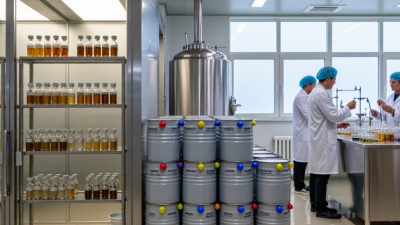
China’s natural flavor additives often come from citrus peels, tea leaves, ginger, garlic, osmanthus, and licorice. Producers usually begin with carefully cleaned agricultural materials. Cold pressing can capture bright citrus oils, while steam distillation suits ginger and other aromatic plants. For delicate flowers and tea, water or food-grade ethanol extraction may protect subtle notes. Fermentation is also used for selected fruity and savory profiles.
After extraction, the liquid is filtered, concentrated, and tested for identity, purity, and stability. Experienced manufacturers monitor temperature closely because excessive heat can flatten a fresh aroma. They also track harvest regions and processing batches. This supports consistent formulation and helps buyers review certificates, allergen information, and applicable food regulations. Still, no extraction method is flawless. Natural materials change with weather, soil, and storage conditions.
Tips: Match the additive to the product’s processing temperature and acidity. Citrus oils can brighten beverages, while ginger extracts suit sauces, confectionery, and functional drinks. Start with a small dosage trial. Too much can create bitterness, cloudiness, or an artificial impression. Check compatibility with emulsifiers and preservatives before scaling production. Sensory testing matters. Laboratory data alone cannot describe how an aroma performs after baking or pasteurization.
What Are China’s Top Natural Flavor Additives?
Common natural flavor additives used in China include vanillin, citral, limonene, menthol, and eugenol. They are typically produced through botanical extraction, steam distillation, cold pressing, or fermentation, and are used in beverages, confectionery, bakery products, dairy foods, sauces, and savory foods.
The chart shows the number of representative botanical source materials associated with each natural flavor additive. It is not a market-share ranking. Examples are based on established natural flavor sources described in international flavoring specifications and China’s food additive standards.